Prostitution was never legal in Chicago. The notorious Levee district, ostensibly closed down in 1911 - 1912, was a place where brothels, gambling houses, and illegal saloons were publicly allowed to exist, tolerated or ignored by the police, the city government and the citizenry. Organized crime controlled large and highly profitable illegal enterprises in this district and elsewhere, paying off police and politicians. Highly publicized, periodic efforts at reform had little impact. The income and employment generated by these businesses, and by organized crime’s involvement in other enterprises, was especially important in times of economic hardship and during elections.
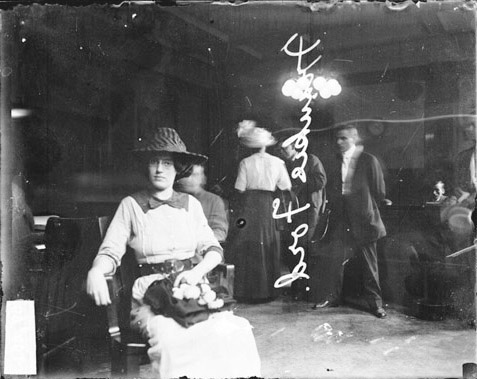
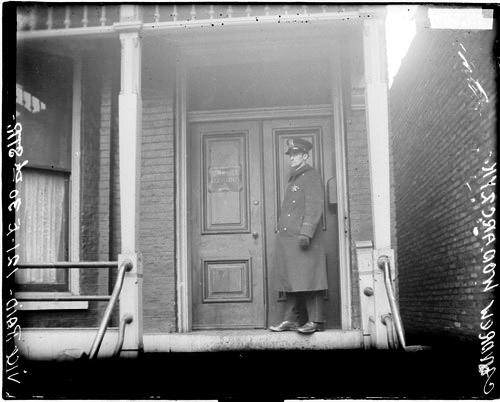
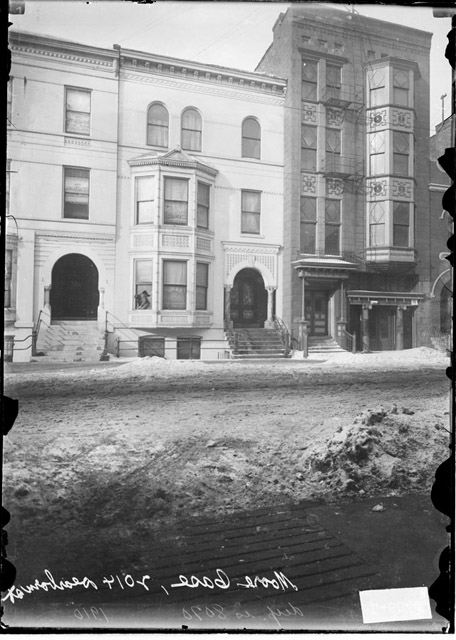
We recommend you download the raw database files for comprehensive searching, but here’s a sample of related cases: - Cases involving prostitution
Prostitution in contemporaneous records and reports was termed “the social evil” or “vice”, and those who ran the illegal enterprises were termed ‘The Vice Lords’ (JCLC p.500-511). The Levee district was notorious, in Chicago and around the world, described by many contemporaneous commentators and visitors to the city, including William Stead, If Christ Came to Chicago (1894), the most famous journalist of his time.
The most extensive reform effort directed at prostitution was in 1911 1912 after the election of Mayor Fred A. Busse, and the appointment of the Vice Commission. The 1911 Vice Commission Report was focused on prostitution and the regulation of the sale of alcohol (JCLC p.486-490). Throughout this period, the regulation of the sale of alcohol and the concern with drunkenness and syphilis, was inextricable from reforms directed at prostitution. And the enactment of state and federal laws imposing a prohibition on the sale and distribution of alcohol resulted in an entirely new set of regulations and administrative bureaucracies.
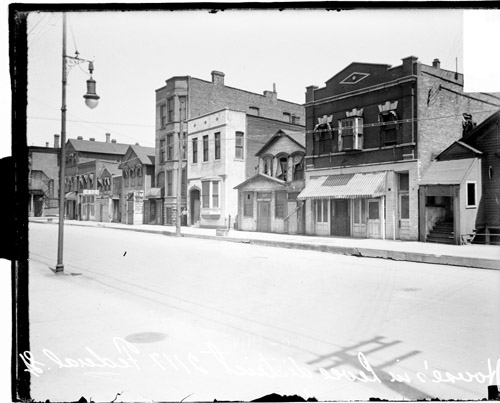
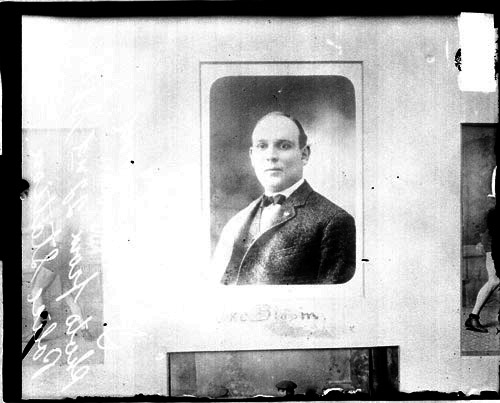
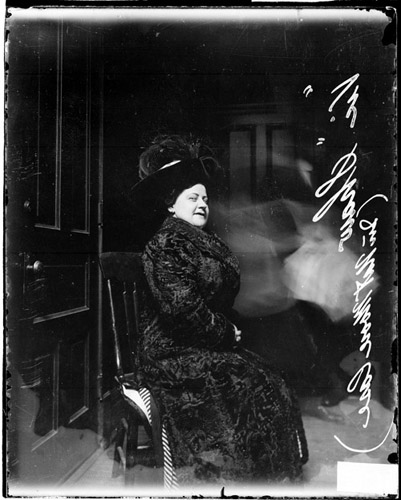
The closing of the Levee in 1912 did not mean that there was no more commercialized prostitution in Chicago , but the operation of brothels in an open, accessible public area, such as those in the Levee district, was not continued in the flagrant manner in which it had existed previously.
Prior to 1912, the Levee was an area the police did not enter, and the new regime did document that and attempt to change it.
Included in the Commission Report of 1911 and in contemporaneous academic studies are details and statistics on vice, and a history of the development of the industry in Chicago. In addition to the 1911 Chicago Vice Commission Report, the most comprehensive and scholarly treatment of the subject is: Walter C. Reckless, Vice in Chicago ( Chicago , 1933). This is a well written, sociological study, with extensive demographic, public health and economic data on aspects of the industry in the notorious vice districts of Chicago . Topics include: the changing demographics of the business of prostitution; organized crime involvement and control of vice; exposes of government graft allowing and supporting organized crime involvement; fraudulent voting practices which perpetuated organized crime control of government offices; police protection of and involvement in the business; and the periodic enforcement by city and state officials in response to pressure from citizen’s groups. Vice is principally prostitution, but also includes the distribution of alcohol, especially during Prohibition, and other illegal activities in the segregated districts of Chicago . This is a comprehensive, serious study with a wealth of demographic and court data, including: an exhaustive review of prior reports and commissions, official data primarily on the post World War I period, and in some categories data going back to the early part of the century.
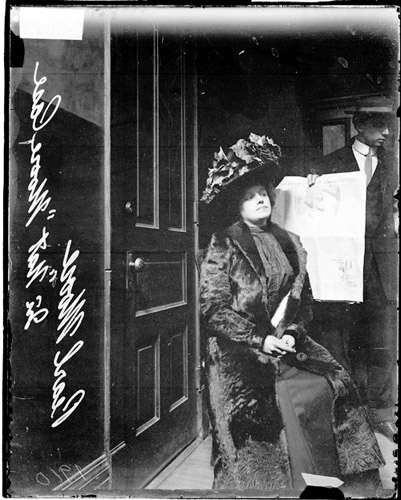
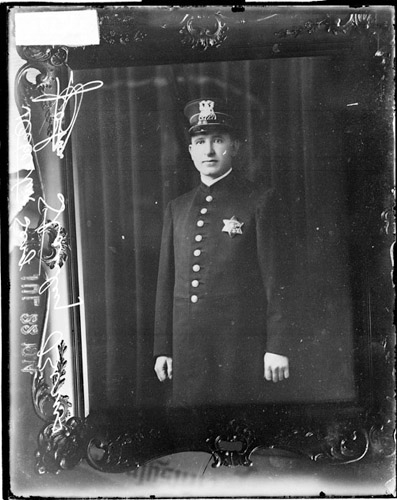
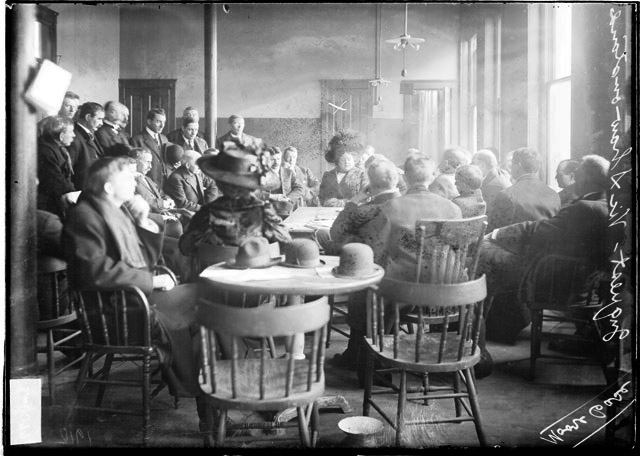
The social reform movements, advocates for and against prohibition, and religious proselytizers produced a variety of hortatory literature often including statements attributed to public figures of the day. For their language, diction, and allegations of unverifiable facts, these books and pamphlets offer, if nothing else, a vernacular time capsule of public speech, and occasional glimpses into the life and conditions of the day.
See, Grant Eugene Stevens, Wicked City (Chicago, 1906), published by G.E. Stevens. This is an odd combination of novel, puzzle, mystery story, and commentary upon the “Wicked City Redeemed”, including some contemporary illustrations and photographs. The structure of the book is to collect and solicit opinions and pronouncements from a variety of public figures and fictional persons as to whether Chicago is a “wicked city”. Much attention paid to drinking, gambling and the white slave trade.
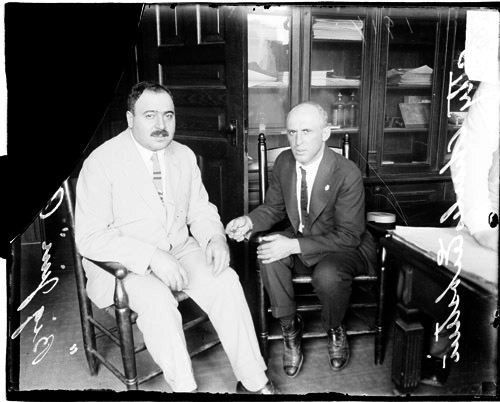
Additional sources include:
Duis, Perry R, The Saloon - Public Drinking in Chicago and Boston, 1880-1920 (Champaign, 1983) (repr. 1999). An unusual and especially relevant history of public drinking and its legal regulation, comparing Chicago and Boston. Very useful in counteracting stereotypes and misinformation about these two surprisingly different saloon cultures, and their connection to political life in the two cities. Topics include: the official regulation of alcohol, the criminal prosecution or non-prosecution for alcohol related offenses, the temperance movement, the economic constraints operating on the saloon keeper, the industry protective associations, ethnic and racial patterns associated with public drinking, saloons and immigration patterns, the enormous profits from the sale of alcohol and where they went, and the importance of saloons in political campaigns and ward politics in Chicago. The work includes a rich collection of contemporary photographs and illustrations.
Lyle, John H, The Dry and Lawless Years (New Jersey, Prentice Hall, 1960). An account of the illegal and other activities of the mob, the police and others by a practicing attorney, a member of the Illinois legislature, a member of the Chicago City Council, and a self-styled ‘crime busting’ felony court judge in the 1920’s.
Lloyd Wendt and Herman Kogan, Big Bill of Chicago, (Bobbs Merrill, NY 1953). A detailed political history of the tumultuous politics surrounding the elections and reelections of Mayor “Big Bill the Builder” Thompson. Thompson was Mayor from 1915-1920, and reelected in 1927-1930.
Richard Lindberg, Chicago by Gaslight – A History of Chicago’s Netherworld, 1880-1920 (Academy Chicago Publishers, 1996). A lively, anecdotal account of historic events, political scandals and the notorious underworld. A valuable table lists all mayors, police chiefs, state’s attorneys, and sheriffs from 1871-1920 (p.214). Photographs and illustrations are included.